
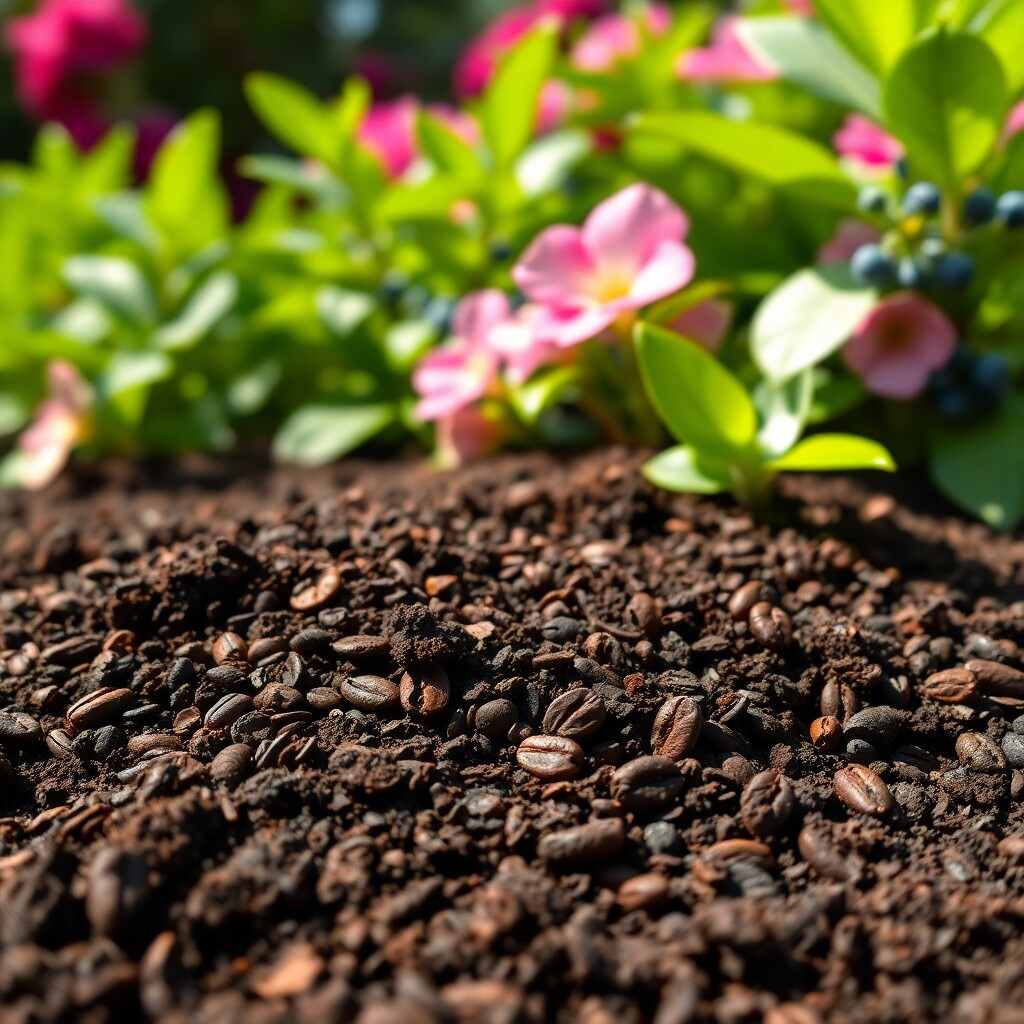
Coffee grounds for acid-loving plants. we’ll explore the numerous benefits of using coffee grounds in the garden and provide practical tips on how to incorporate them into your plant care routine. Whether you’re growing acid-loving plants like blueberries, azaleas, or any other, this post will equip you with the knowledge to unlock their full potential.
The Surprising Benefits of Coffee Grounds for Plants
Coffee grounds are not just a byproduct of your daily caffeine fix – they are spent coffee grounds that can greatly benefit your plants. Let’s dive into the key advantages of using coffee grounds in the garden:
Increased Acidity
Many plants, such as blueberries, azaleas, and hydrangeas, thrive in acidic soil. Coffee grounds are slightly acidic, with a pH ranging from 6.5 to 6.8, making them an excellent addition to the soil for these acid-loving plants. By incorporating coffee grounds, you can help maintain the optimal soil pH, ensuring your plants receive the nutrients they crave.
Nutrient-Rich Composition
Coffee grounds are packed with essential nutrients that plants need for healthy growth. They contain nitrogen, phosphorus, and potassium – the three primary macronutrients that are good for plants. Additionally, coffee grounds contain a rich source of other beneficial minerals, including magnesium, calcium, and iron.
Improved Soil Structure
Adding coffee grounds to your garden soil can help improve its overall structure and texture. The grounds act as a natural soil conditioner, helping to aerate the soil and improve drainage. This enhanced soil structure promotes better root growth and overall plant health.
Enhanced Water Retention
Coffee grounds have a remarkable ability to absorb and retain water, which can be particularly beneficial for plants during dry spells. By mixing coffee grounds into your soil, you can help your plants access the moisture they need, reducing the risk of drought stress.
Natural Pest Deterrent
Believe it or not, coffee grounds can also serve as a natural pest deterrent in your garden. The strong aroma of coffee can help repel certain insects, such as slugs, snails, and ants, protecting your plants from potential damage.
How to Incorporate Coffee Grounds into Your Garden
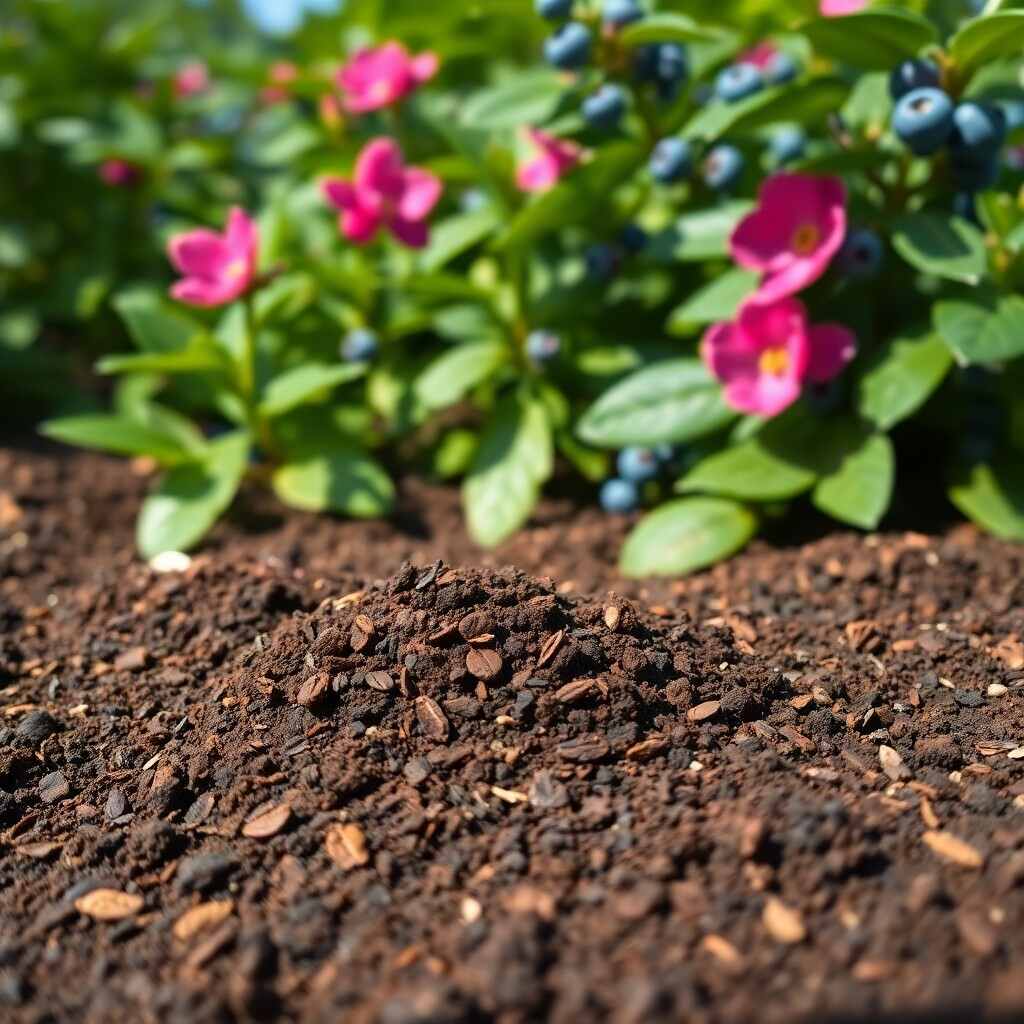
Now that you understand the numerous benefits of using coffee grounds for your acid-loving plants, let’s explore the best ways to incorporate these grounds in the garden into your gardening routine:
Adding Coffee Grounds Directly to the Soil
One of the simplest methods is to add used grounds directly to the soil around your plants. Sprinkle a thin layer of fresh or used coffee grounds around the base of your plants, being careful not to let the grounds touch the stems or foliage. This will allow the grounds to gradually release their nutrients and acidity into the soil, enhancing the benefits of coffee grounds on plants.
Creating a Coffee Grounds Compost
If you have a compost bin or pile, you can incorporate coffee grounds into your composting process. The grounds will break down over time, releasing their valuable nutrients and helping to create a nutrient-rich compost that you can then use to enrich your garden soil.
Using Coffee Grounds as a Mulch
Spread a layer of coffee grounds on plants as a natural mulch. This will not only help retain moisture in the soil but also gradually release nutrients as the grounds decompose. Be sure to keep the grounds a few inches away from the plant stems to avoid any potential issues.
Making a Coffee Grounds Tea
For a more concentrated dose of nutrients, you can create a “coffee grounds tea” by steeping used coffee grounds in water. Allow the mixture to steep for a few hours, then use the nutrient-rich “tea” to water your acid-loving plants.
Mixing Coffee Grounds into Potting Soil
If you have potted plants, such as blueberries or azaleas, you can mix coffee grounds directly into the potting soil before planting. This will help maintain the optimal soil acidity and provide a steady supply of nutrients for your container-grown plants.
Considerations and Precautions
While coffee grounds can be a valuable addition to your garden, it’s important to keep a few things in mind:
Avoid Using Too Much
While coffee grounds are generally beneficial, using too much can lead to soil that is too acidic, which can be detrimental to certain plants. It’s best to start with a small amount and gradually increase the quantity based on your plants’ needs and the soil’s pH levels.
Check Soil pH Regularly
Regularly testing your soil’s pH is crucial when using coffee grounds. Aim to maintain a pH range between 4.5 and 6.0 for acid-loving plants. If the soil becomes too acidic, you can balance it out by adding limestone or other alkaline amendments.
Be Mindful of Nitrogen Levels
Coffee grounds are high in nitrogen, which can be beneficial for plants. However, an excess of nitrogen can lead to excessive foliage growth at the expense of flower or fruit production. Monitor your plants’ growth and adjust the amount of coffee grounds accordingly.
Consider Composting First
If you’re concerned about the acidity or nitrogen levels, you can compost the coffee grounds before adding them to your garden. The composting process can help balance out the pH and allow the grounds to release their nutrients more gradually.
Conclusion
Coffee grounds are a versatile and cost-effective way to nourish your acid-loving plants, from blueberries and azaleas to hydrangeas and more. By understanding the benefits of using coffee grounds in your garden and following the proper techniques, you can unlock the full potential of your plants and enjoy a thriving, vibrant garden.
So, the next time you brew a cup of coffee, don’t toss those grounds – save them and put them to work in your garden. Your plants will thank you, and you’ll be one step closer to gardening success.
What are coffee grounds and why are they beneficial for acid-loving plants?
Coffee grounds are the leftover residue from brewing coffee. They are rich in nitrogen, which makes them a valuable addition to any garden, particularly for acid-loving plants such as azaleas, rhododendrons, and blueberries. The benefits of using coffee grounds in your garden include improved soil structure, enhanced drainage, and the addition of organic matter that can help maintain a slightly acidic soil pH, which is ideal for plants like these.
How can I use coffee grounds for plants?
You can use coffee grounds in several ways to benefit your garden. Some popular methods include mixing coffee grounds into your compost pile, adding them directly to the soil around acid-loving plants, or brewing a diluted coffee grounds tea to water your plants. This helps to improve soil health while providing nutrients that are easily absorbed by the roots.
What types of plants like coffee grounds?
Plants that prefer a more acidic soil environment, such as blueberries, strawberries, and roses, are particularly fond of coffee grounds. The coffee grounds can help to lower the soil pH, promoting healthier growth and better fruit production. Additionally, coffee grounds can also attract beneficial earthworms, which further enrich the soil.
Can I add fresh coffee grounds directly to the soil?
coffee grounds can be beneficial, it is generally recommended to allow them to compost first. Fresh coffee grounds can be too concentrated, potentially leading to nutrient imbalances. Instead, consider mixing them with other organic materials or composting them to avoid any negative effects on your acid-loving plants.

Leave a Reply