
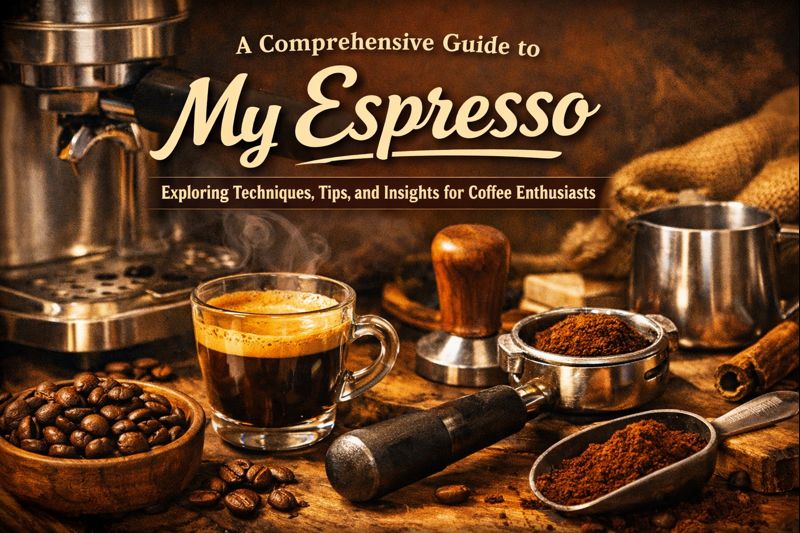
A Comprehensive Guide to My Espresso
Discover the art and science behind crafting the perfect espresso in this comprehensive guide, designed for coffee enthusiasts of all levels. From selecting the right beans and mastering brewing techniques to troubleshooting common issues, this article offers expert insights and practical tips to elevate your coffee experience. Dive deep into the nuances of espresso making and unlock the full potential of your favorite brew.
Understanding the Fundamentals of Espresso
What is Espresso? Definition and Characteristics
Espresso is a concentrated form of coffee that originates from Italy and is characterized by its bold flavor, rich crema, and intense aroma. Unlike regular brewed coffee, espresso is made by forcing hot water under high pressure through finely-ground coffee beans. The result is a small, potent shot that serves as the foundation for many coffee beverages such as cappuccino, latte, and black white coffee. Its signature features include a thick layer of crema—golden foam that sits atop the shot—and a robust, full-bodied taste.
The Science Behind Espresso Extraction
The process of extracting espresso involves complex interactions between water temperature, pressure, grind size, and contact time. Proper extraction ensures that the soluble compounds—flavor, oils, and aromatic molecules—are efficiently dissolved from the coffee grounds. Over-extraction can lead to bitterness, while under-extraction results in sour or weak flavors. Achieving the absolutely perfect shot requires understanding these variables and balancing them to access coffee’s nuanced flavors, including the subtle acidic flavors that add brightness to the brew.
Key Components of a Perfect Espresso Shot
A well-crafted espresso shot comprises several key components:
- Crema: The rich, aromatic foam that indicates proper extraction.
- Body: The mouthfeel or thickness of the coffee.
- Flavor Profile: A balance of bitterness, acidity, and sweetness.
- Aroma: The fragrant notes that enhance the tasting experience.
Mastering these elements involves precise control over brewing parameters and high-quality ingredients.
Selecting the Right Beans for Your Espresso
Types of Coffee Beans Ideal for Espresso
Choosing the right beans is fundamental to crafting an excellent espresso. Typically, medium to dark roasts are preferred because they develop rich, caramelized flavors that stand out in the shot. Arabica beans are favored for their nuanced acidity and aromatic complexity, while Robusta beans add body and crema, making them popular in blends for espresso.
Freshness and Roast Level: How They Impact Flavor
Freshly roasted beans—ideally used within a month of roasting—provide the best flavor and aroma. The roast level influences acidity and sweetness; darker roasts tend to be less acidic and more bitter, while medium roasts preserve more of the beans’ original brightness. For those exploring the differences between black coffee milk or black white coffee, selecting fresh beans ensures clarity and depth in every sip.
Tips for Buying Quality Coffee Beans for My Espresso
- Purchase from reputable roasters or specialty coffee shops.
- Opt for beans labeled for espresso or specifically roasted for brewing filter coffee.
- Store beans in an airtight container away from light and moisture.
- Consider trying different blends to discover your preferred flavor profile, especially during Black Friday deals early, when quality beans are often discounted.
Mastering the Art of Brewing Espresso
Essential Equipment: Espresso Machines and Accessories
Investing in a reliable espresso machine is crucial. Features to consider include pressure gauge, temperature stability, and ease of use. Accessories such as a burr grinder, tamping tools, and a scale help achieve consistent results. Remember, accepting loss in some trials is part of the learning process toward perfecting your craft.
Step-by-Step Guide to Brewing the Perfect Espresso
- Preheat your espresso machine and accessories.
- Grind fresh coffee beans to the optimal size (finely ground).
- Dose the right amount of coffee into the portafilter—typically around 18-20 grams.
- Tamp evenly and firmly to ensure uniform extraction.
- Lock the portafilter into the machine and start brewing.
- Extract for about 25-30 seconds until the shot volume reaches the desired level.
- Enjoy immediately for the best flavor.
Optimal Grind Size and Dose for My Espresso
Fine grind size is essential for proper extraction. Too fine, and you risk over-extraction; too coarse, and the shot will be weak. The dose should be consistent—using a digital scale helps maintain precision. Adjustments may be necessary based on taste and machine performance.
Water Quality and Temperature Control
Use filtered water to avoid mineral buildup and off-flavors. Maintain water temperature around 90-96°C (194-205°F) for optimal extraction. Consistent temperature control is vital for accessing coffee’s full potential, including its acidic flavors and nuanced aromas.
Enhancing Your Espresso Experience
Techniques for Achieving Rich Crema
A good crema results from proper pressure (9 bars), fresh beans, and correct grind size. Tamping with consistent pressure (around 30 pounds of force) ensures uniform extraction. Some baristas use a distribution tool to level the coffee bed, promoting even extraction.
Common Mistakes and How to Avoid Them
- Accept loss of quality: Not dialing in grind size or tamping pressure can lead to under- or over-extraction.
- Neglecting machine maintenance: Regular cleaning prevents buildup that affects flavor.
- Using stale beans: Always use fresh beans to preserve flavor and crema.
Creative Variations: From Ristretto to Long Shots
Experiment with shot volume—ristretto (short shot) emphasizes sweetness, while lungo (long shot) highlights acidity. Understanding the cappuccino latte difference helps in crafting beverages that suit your taste, whether you prefer the boldness of black coffee milk or the creaminess of a latte.
Tips for Maintaining Your Espresso Machine
Regular descaling, cleaning the group head, and replacing worn seals ensure consistent performance. Proper maintenance allows access coffee and other brewing options to be enjoyed without compromise.
Troubleshooting and Improving Your Espresso
Identifying and Fixing Common Issues
- Bitterness: Often caused by over-extraction or too fine a grind. Adjust grind size or extraction time.
- Under-extraction: Results in sour, weak coffee. Use a finer grind and increase extraction time.
- Over-extraction: Leads to harsh flavors. Shorten extraction or coarsen grind.
Adjusting Technique for Better Results
Small adjustments in tamping pressure, grind size, or dose can significantly improve your shot. Keep detailed notes to track what works best.
When to Seek Professional Maintenance
If persistent issues occur despite adjustments, professional servicing may be necessary to calibrate your machine or replace worn parts.
Elevating Your Coffee Journey with My Espresso
Pairing Espresso with Food and Desserts
Espresso pairs beautifully with rich desserts like tiramisu or biscotti. Its acidity complements sweet flavors, while its body balances creamy textures like black white coffee.
Exploring Advanced Techniques and Recipes
Try brewing filter coffee with your espresso machine or creating layered drinks. Understanding the cappuccino latte difference allows you to craft beverages tailored to your preferences.
Resources and Community for Coffee Enthusiasts
Join online forums, attend barista workshops, or subscribe to coffee blogs to deepen your knowledge. Many communities share tips on the latest Black Friday deals early—great for upgrading equipment or trying new beans.
Final Tips for Consistently Great Espresso at Home
- Use high-quality, fresh beans.
- Maintain consistent brewing parameters.
- Experiment with different beans and techniques.
- Accept loss as part of the learning curve.
- Enjoy the process and share your creations with fellow enthusiasts.
By understanding the science, selecting quality ingredients, mastering brewing techniques, and troubleshooting effectively, you can elevate your espresso experience. Whether you’re exploring the nuances of black coffee milk or the differences between coffee cappuccino latte, this comprehensive guide aims to support your journey toward crafting the perfect shot every time.

Leave a Reply