
Coffee and green tea are popular drinks around the world. Both have caffeine but differ in several ways.
Comparing coffee and green tea helps you choose the right drink for your needs. Coffee is known for its strong caffeine kick, which can boost energy quickly. Green tea, on the other hand, offers a milder caffeine experience with added health benefits.
Understanding the differences between these drinks can help you make an informed choice based on your lifestyle and preferences. In this post, we will explore the caffeine content in coffee and green tea, and how each affects your body. By the end, you’ll know which one suits your caffeine needs better.
Introduction To Coffee And Green Tea
Coffee and green tea are two of the most popular beverages worldwide. These drinks are not just loved for their taste, but also for their caffeine content. Understanding their differences can help you choose the best option for your lifestyle.
Popularity And Cultural Significance
Coffee holds a special place in many cultures. From the coffeehouses of Europe to the cafes in the United States, coffee is more than a drink. It’s a part of social life. People meet friends, discuss ideas, and relax over a cup of coffee. It’s a daily ritual for many.
Green tea, on the other hand, has deep roots in Asian cultures. In countries like China and Japan, green tea is part of traditional ceremonies. It represents peace and mindfulness. Green tea is often associated with health benefits and wellness routines.
Basic Composition
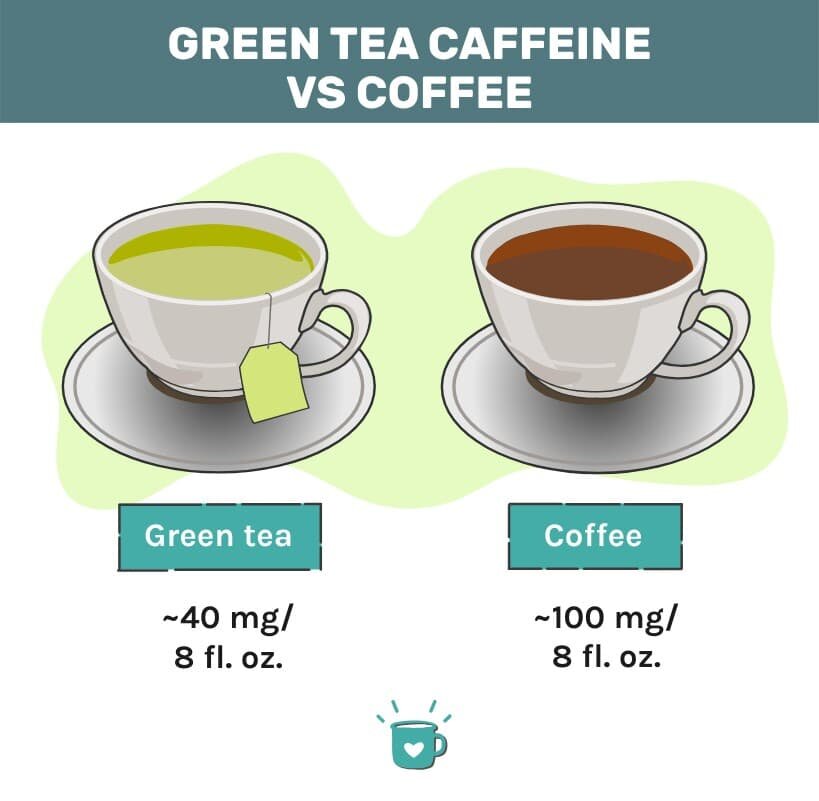
The composition of coffee and green tea varies. Coffee is made from roasted coffee beans. It contains higher levels of caffeine compared to green tea. A typical cup of coffee has about 95 mg of caffeine.
Green tea is made from unfermented tea leaves. It has less caffeine, about 30-50 mg per cup. Green tea also contains antioxidants like catechins and flavonoids, which are good for health.
| Beverage | Caffeine Content | Key Components |
|---|---|---|
| Coffee | 95 mg per cup | Roasted coffee beans |
| Green Tea | 30-50 mg per cup | Unfermented tea leaves, antioxidants |
Both drinks have their unique qualities. While coffee provides a strong caffeine boost, green tea offers a milder effect with added health benefits. Choose what fits your needs and lifestyle best.
Caffeine Content In Coffee
Coffee is a popular beverage known for its rich taste and energy-boosting properties. Understanding the caffeine content in coffee is important for those who are conscious about their caffeine intake. Let’s explore the average caffeine levels and the factors affecting caffeine levels in coffee.
Average Caffeine Levels
The caffeine content in a cup of coffee varies. On average, an 8-ounce cup of brewed coffee contains about 95 milligrams of caffeine. Here is a quick table showing caffeine content in different types of coffee:
| Type of Coffee | Caffeine Content (mg) |
|---|---|
| Espresso (1 oz) | 63 |
| Drip Coffee (8 oz) | 95 |
| Instant Coffee (8 oz) | 62 |
| Decaf Coffee (8 oz) | 2 |
Factors Affecting Caffeine Levels
Several factors influence the caffeine content in coffee. These factors include:
- Bean Type: Different coffee beans have varying caffeine levels. Arabica beans contain less caffeine than Robusta beans.
- Roast Level: Light roast coffee has more caffeine than dark roast coffee.
- Brewing Method: The method used to brew coffee affects its caffeine content. For example, espresso has more caffeine per ounce than drip coffee.
- Serving Size: Larger servings of coffee contain more caffeine.
Caffeine Content In Green Tea
Green tea is a popular beverage known for its health benefits. It contains caffeine, but in different amounts compared to coffee. Understanding the caffeine content in green tea can help you choose the right drink for your needs.
Average Caffeine Levels
The average caffeine content in green tea is lower than coffee. A cup of green tea usually contains between 20 and 45 milligrams of caffeine. In contrast, a cup of coffee has around 95 milligrams of caffeine. This makes green tea a good option for those who want a milder caffeine boost.
Factors Affecting Caffeine Levels
Several factors can affect the caffeine levels in green tea. The type of green tea plays a significant role. For example, matcha green tea contains more caffeine than regular green tea. The brewing time also impacts caffeine content. Longer brewing times extract more caffeine from the leaves.
The water temperature used for brewing can change caffeine levels. Hotter water releases more caffeine. The age of the tea leaves matters too. Younger leaves tend to have more caffeine than older ones.
Credit: www.homegrounds.co
Effects Of Coffee On Energy
Coffee is a popular drink worldwide. Many people rely on it for a quick energy boost. The caffeine in coffee plays a big role in this. Let’s explore how coffee affects your energy levels.
Immediate Energy Boost
Drinking coffee can give you an immediate energy boost. This happens because caffeine blocks adenosine. Adenosine is a brain chemical that makes you feel tired. When blocked, you feel more alert. This can help improve focus and concentration. Many people drink coffee to start their day or to stay awake during late hours.
Long-term Energy Impact
Over time, regular coffee drinking can affect your energy levels differently. Your body may build a tolerance to caffeine. You might need more coffee to get the same boost. This can lead to drinking too much coffee. Too much caffeine can cause jitters and anxiety. It can also disturb your sleep. Lack of sleep can make you feel more tired during the day. Balancing coffee intake is key to keeping your energy steady.
Effects Of Green Tea On Energy
Green tea is popular for its health benefits and energy-boosting effects. Many people choose it over coffee to avoid jitteriness. Let’s explore how green tea affects your energy levels.
Immediate Energy Boost
Green tea contains caffeine, but less than coffee. This makes it ideal for a mild energy boost. The caffeine in green tea helps you stay alert and focused. It wakes you up without the crash that coffee can cause. Green tea also has L-theanine. This amino acid calms your mind. Together, caffeine and L-theanine offer a balanced energy lift.
Long-term Energy Impact
Green tea’s benefits extend beyond just an immediate boost. It can enhance your energy levels over time. Regular consumption improves metabolism. This helps your body use energy more efficiently. Green tea also contains antioxidants. These compounds fight fatigue and keep you feeling energized. Drinking green tea daily can lead to sustained energy throughout your day.
Credit: blog.piquelife.com
Comparative Analysis
When comparing coffee and green tea, caffeine content is a major factor. Both beverages offer unique benefits and effects. Understanding these differences can help you choose the right drink for your needs. Below, we delve into a comparative analysis of coffee and green tea caffeine.
Energy Levels
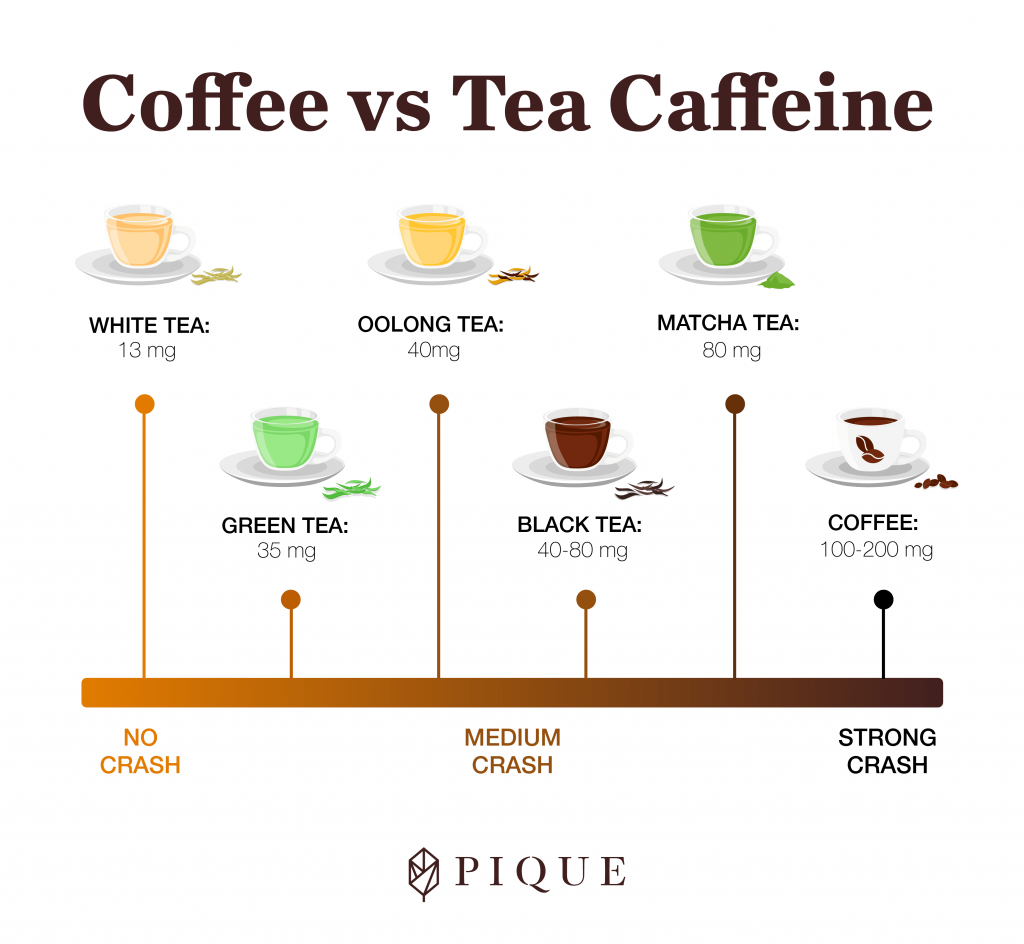
Coffee provides a quick energy boost. Its caffeine content is higher than green tea. A typical cup of coffee contains about 95 mg of caffeine. Green tea has less caffeine, around 30 mg per cup. This makes coffee a better option for immediate energy.
Green tea offers a more moderate increase in energy. It also contains the amino acid L-theanine. This helps to promote a calm alertness. As a result, green tea can provide a balanced energy boost.
Duration Of Effects
The effects of coffee are usually felt within minutes. This quick surge of energy can last for a few hours. However, the energy spike often leads to a sudden drop. This can result in feelings of tiredness or a “crash.”
Green tea’s effects are more gradual. The combination of caffeine and L-theanine results in a smoother release of energy. This can sustain alertness over a longer period. There is no sudden crash like with coffee.
Choosing between coffee and green tea depends on your energy needs. Quick energy boosts might call for coffee. Long-lasting, steady energy might be better with green tea.
Health Benefits And Risks
When choosing between coffee and green tea, understanding their health benefits and risks is crucial. Both beverages offer unique advantages and potential downsides. Let’s dive into their specific health effects.
Coffee Health Effects
Coffee contains antioxidants that help fight inflammation. Drinking coffee may lower the risk of certain diseases. It has been linked to a reduced risk of type 2 diabetes. Coffee drinkers may also have a lower chance of Parkinson’s disease. Some studies suggest coffee can improve mental alertness. However, coffee can cause anxiety in some people. It may also lead to digestive issues.
Green Tea Health Effects
Green tea is rich in catechins, which are powerful antioxidants. It helps boost metabolism and promotes fat burning. Green tea may lower the risk of certain cancers. It has been shown to improve brain function and mood. Drinking green tea can also aid in weight loss. Yet, green tea contains caffeine, which can cause sleep disturbances. High consumption may lead to stomach upset.
Choosing The Right Beverage
Choosing the right beverage between coffee and green tea can be a big decision. Your choice often depends on several factors. These include personal preferences and lifestyle considerations. Both drinks offer unique benefits. Both contain caffeine. But they differ in taste and effects.
Personal Preferences
Taste plays a huge role in your choice. Coffee has a rich, bold flavor. It can be bitter or sweet, depending on how it’s prepared. Green tea, on the other hand, has a lighter, more delicate taste. It can be slightly grassy or even sweet. Some people love the strong taste of coffee. Others prefer the subtle flavors of green tea.
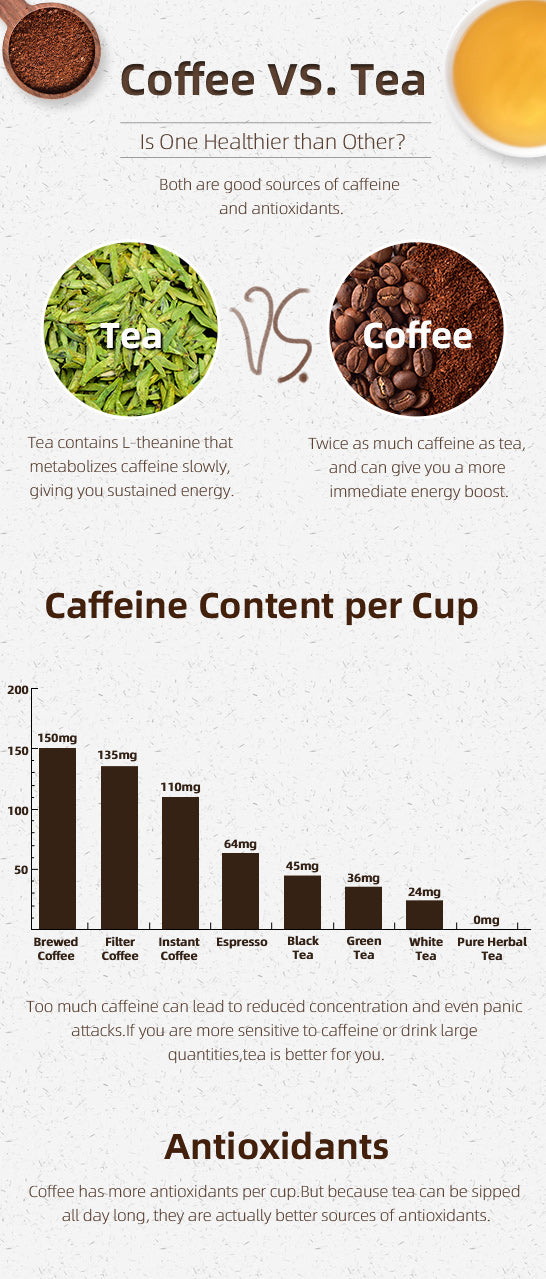
Another factor is the caffeine content. Coffee generally has more caffeine than green tea. A cup of coffee has about 95 mg of caffeine. A cup of green tea has about 35 mg. If you need a strong energy boost, coffee may be your go-to. If you prefer a milder pick-me-up, green tea is a better choice.
Lifestyle Considerations
Lifestyle habits also influence your beverage choice. People with busy schedules often choose coffee. It provides a quick energy boost. Coffee is also a social drink. Many people meet for coffee to chat or work.
Green tea suits a more relaxed lifestyle. It’s often linked with calmness and wellness. Many people drink green tea during meditation or relaxation. It’s also known for its health benefits. Green tea contains antioxidants, which are good for your body.
| Factor | Coffee | Green Tea |
|---|---|---|
| Taste | Bold, Rich | Light, Delicate |
| Caffeine Content | 95 mg per cup | 35 mg per cup |
| Energy Boost | Strong | Mild |
| Social Aspect | High | Low |
| Health Benefits | Moderate | High |
In the end, choosing the right beverage depends on what you value most. Whether it’s the taste, the caffeine boost, or the lifestyle benefits, both coffee and green tea have something to offer. Consider your personal preferences and lifestyle needs. This will help you make the best choice.
Credit: tea-tao.com
Frequently Asked Questions
Which Has More Caffeine, Coffee Or Green Tea?
Coffee typically contains more caffeine than green tea. An 8-ounce cup of coffee has around 95 mg of caffeine. Green tea usually has about 30-50 mg of caffeine per 8-ounce cup.
Is Green Tea Healthier Than Coffee?
Both beverages have health benefits. Green tea is rich in antioxidants and promotes heart health. Coffee may improve brain function and boost metabolism. The choice depends on individual health needs and preferences.
Can Green Tea Replace Coffee For Energy?
Green tea can be a good alternative to coffee for energy. It contains less caffeine and has L-theanine, which provides a calmer, more sustained energy boost without the jitters.
Does Coffee Or Green Tea Stain Teeth More?
Coffee is more likely to stain teeth compared to green tea. Coffee’s dark color and acidity can cause noticeable stains, while green tea has less pigmentation.
Conclusion
Choosing between coffee and green tea depends on personal preference. Both offer unique benefits and caffeine levels. Coffee provides a quick energy boost. Green tea offers a gentler lift. Consider your daily routine and health goals. Enjoy the drink that fits your lifestyle best.
Both can be part of a balanced diet. Experiment with both to see which you prefer. Your perfect choice awaits.

Leave a Reply